top of page

Making your own skincare products at home can be a rewarding and enjoyable experience. It allows you to control exactly what goes on your skin, avoid harsh chemicals, and tailor products to your unique needs. Plus, DIY skincare is often more affordable than store-bought options and opens the door to endless creativity with scents and textures. This guide will walk you through simple recipes using natural ingredients, tips for choosing the right components for your skin type, and ideas to customize your creations.


Close-up view of natural skincare ingredients including honey, aloe vera, and essential oils arranged on a wooden surface
Natural ingredients for homemade skincare products


Create Your Own Skincare Products. Why Make Your Own Skincare Products?


Many commercial skincare products contain synthetic chemicals, preservatives, and fragrances that can irritate sensitive skin or cause allergic reactions. When you make your own products, you know exactly what’s inside. This transparency helps you avoid unwanted ingredients and focus on nourishing, gentle components.


Benefits of DIY skincare include:


  • Cost-effectiveness: Natural ingredients like oils, honey, and aloe vera are often cheaper in bulk and last a long time.

  • Customization: You can adjust recipes to suit your skin type, preferences, and seasonal needs.

  • Freshness: Homemade products don’t contain preservatives, so you get fresh, potent skincare.

  • Creativity: Experiment with different scents, textures, and ingredient combinations to find what feels best.


Choosing Ingredients for Your Skin Type


Selecting the right ingredients is key to effective skincare. Here’s a quick guide to help you pick natural components based on your skin’s needs:


For Dry Skin


Look for ingredients that provide deep hydration and lock in moisture.


  • Carrier oils: Avocado oil, sweet almond oil, jojoba oil

  • Humectants: Honey, aloe vera gel, glycerin

  • Butters: Shea butter, cocoa butter


For Oily or Acne-Prone Skin


Choose ingredients that balance oil production and have antibacterial properties.


  • Carrier oils: Grapeseed oil, hemp seed oil, rosehip oil (lightweight and non-comedogenic)

  • Astringents: Witch hazel, tea tree oil (use sparingly)

  • Exfoliants: Ground oats, fine sugar, or coffee grounds


For Sensitive Skin


Use soothing, gentle ingredients that calm irritation.


  • Carrier oils: Calendula oil, chamomile-infused oil, jojoba oil

  • Soothing agents: Aloe vera, oatmeal, rose water

  • Essential oils: Lavender, chamomile (always dilute and patch test)


For Combination Skin


Balance hydration and oil control by mixing ingredients suitable for both dry and oily areas.


  • Use lightweight oils like jojoba or grapeseed.

  • Include soothing agents like aloe vera.

  • Add gentle exfoliants to keep pores clear.


Simple DIY Skincare Recipes to Try


Here are some easy recipes to get started. Each uses natural ingredients and requires minimal tools.


1. Hydrating Honey and Aloe Vera Face Mask


Ingredients:


  • 2 tablespoons aloe vera gel

  • 1 tablespoon raw honey

  • 1 teaspoon jojoba oil (optional for extra moisture)


Instructions:


  1. Mix all ingredients in a small bowl.

  2. Apply evenly to clean skin.

  3. Leave on for 15-20 minutes.

  4. Rinse with lukewarm water and pat dry.


This mask hydrates and soothes dry or sensitive skin.


2. Gentle Oatmeal and Yogurt Cleanser


Ingredients:


  • 2 tablespoons plain yogurt

  • 1 tablespoon finely ground oats

  • 1 teaspoon honey


Instructions:


  1. Combine ingredients to form a paste.

  2. Massage gently onto damp face in circular motions.

  3. Rinse thoroughly with warm water.


Oatmeal calms irritation, yogurt provides mild exfoliation, and honey adds moisture.


3. Nourishing Sugar and Coconut Oil Scrub


Ingredients:


  • 1/2 cup organic sugar (white or brown)

  • 1/4 cup coconut oil (melted)

  • 5 drops lavender essential oil (optional)


Instructions:


  1. Mix sugar and coconut oil until combined.

  2. Add essential oil and stir.

  3. Use as a body scrub, massaging in circular motions.

  4. Rinse off with warm water.


This scrub exfoliates dead skin cells and moisturizes, leaving skin soft.


4. Balancing Witch Hazel Toner


Ingredients:


  • 1/2 cup witch hazel (alcohol-free)

  • 1/2 cup distilled water

  • 5 drops tea tree essential oil (optional for acne-prone skin)


Instructions:


  1. Mix all ingredients in a clean bottle.

  2. Shake well before each use.

  3. Apply with a cotton pad after cleansing.


This toner helps control oil and refreshes the skin.


Tips for Experimenting with Scents and Textures


One of the most fun parts of DIY skincare is personalizing your products. Here are some ideas:


  • Essential oils: Add a few drops of your favorite essential oils like lavender, rose, or peppermint to create soothing or invigorating scents. Always dilute properly and patch test.

  • Texture variations: Adjust the amount of oils or water-based ingredients to make creams thicker or lighter. For example, add more shea butter for a richer cream or more aloe vera for a gel-like feel.

  • Herbs and botanicals: Infuse oils with herbs like chamomile, calendula, or rosemary for added benefits and subtle fragrance.

  • Exfoliants: Try different natural exfoliants such as finely ground almonds, coffee grounds, or rice powder to find what suits your skin best.


How to Store Your Homemade Skincare Products


Since DIY products lack preservatives, proper storage is essential to keep them fresh and safe.


  • Use clean, airtight containers made of glass or BPA-free plastic.

  • Store products in a cool, dark place away from direct sunlight.

  • Refrigerate items with fresh ingredients like aloe vera or yogurt to extend shelf life.

  • Label containers with the date made and ingredients.

  • Use products within 1-2 weeks or when you notice any change in smell, color, or texture.


Final Thoughts on Making Your Own Skincare


Creating your own skincare products at home offers a natural, affordable, and customizable way to care for your skin. By choosing ingredients suited to your skin type and experimenting with recipes, you can build a routine that feels personal and effective. Remember to patch test new ingredients, keep your workspace clean, and enjoy the process of crafting products that nourish your skin and senses.


Start with simple recipes, explore new combinations, and discover the joy of natural skincare tailored just for you. Your skin will thank you for the care and attention you put into every homemade jar and bottle.


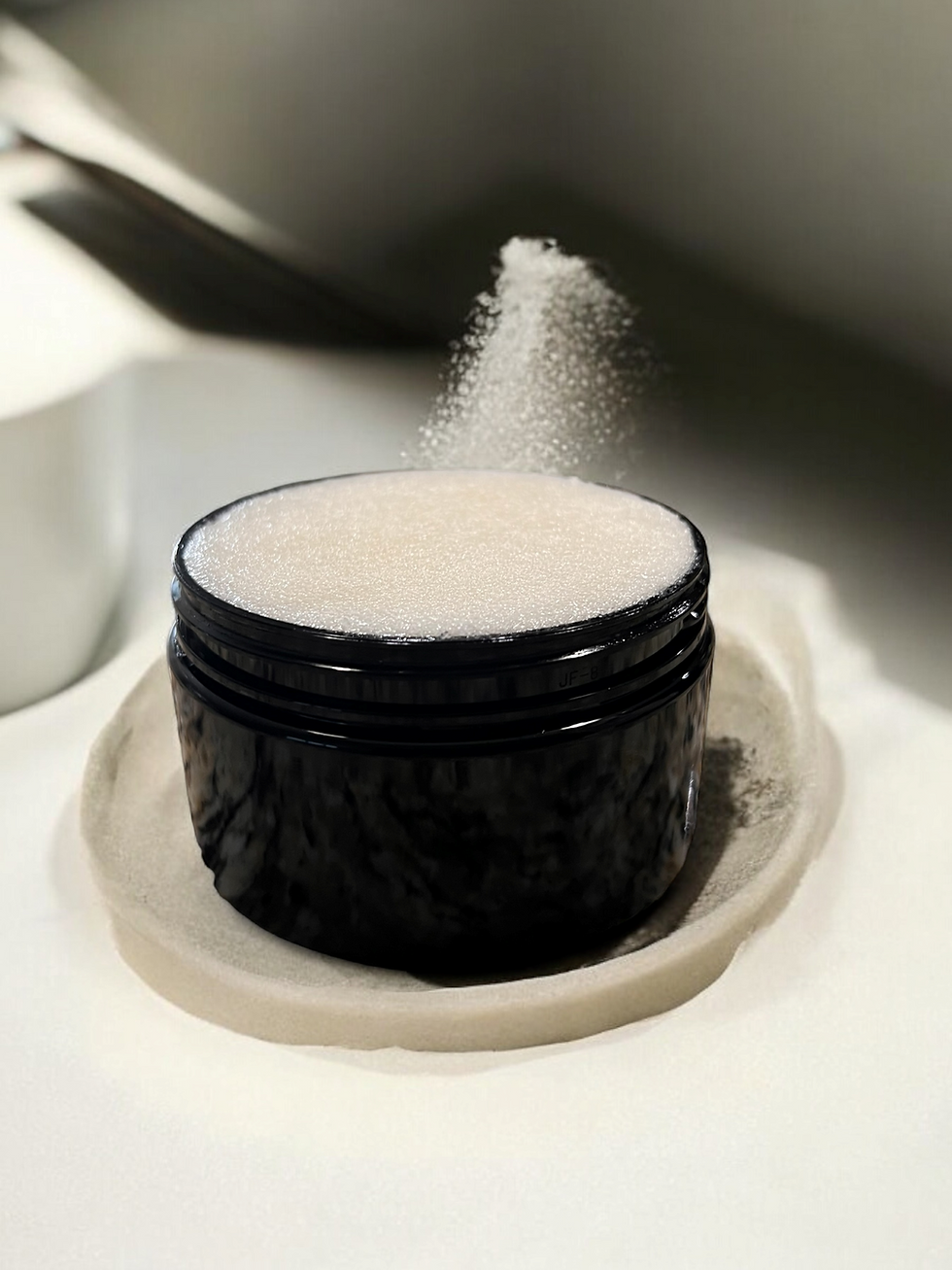
Oily skin can feel like a constant battle. Excess shine, clogged pores, and frequent breakouts often leave you searching for a solution that truly works. Activated charcoal has gained attention as a powerful ingredient for managing oily skin. Its unique ability to absorb impurities and excess oil makes it a natural choice for those looking to balance their complexion without harsh chemicals.


This post explores how activated charcoal works, practical ways to include it in your skincare routine, and the additional benefits it offers beyond oil control. If you want clearer, fresher skin, keep reading to discover why activated charcoal might be the game-changer your skincare needs.


How Activated Charcoal Works for Oily Skin


Activated charcoal is a form of carbon processed to have small, low-volume pores that increase its surface area. This structure allows it to trap toxins, dirt, and oils effectively. When applied to the skin, activated charcoal acts like a magnet, drawing out impurities from deep within pores.


For oily skin, this means:


  • Absorbing excess sebum that causes shine and greasiness

  • Removing dirt and pollutants that clog pores and lead to acne

  • Detoxifying the skin by pulling out impurities that regular cleansers might miss


Unlike some harsh cleansers that strip the skin and trigger more oil production, activated charcoal cleans gently while maintaining the skin’s natural balance. This makes it a great option for oily skin types prone to breakouts.


Incorporating Activated Charcoal into Your Skincare Routine


Activated charcoal is versatile and can be found in various skincare products. Here are some effective ways to use it:


1. Activated Charcoal Masks


Charcoal masks are one of the most popular ways to use this ingredient. They typically come as a powder or pre-made mask that you apply to your face and leave on for 10-15 minutes.


Benefits of charcoal masks:


  • Deep cleanse pores

  • Remove blackheads and whiteheads

  • Reduce oiliness and shine


Tips for use:


  • Use 1-2 times per week to avoid over-drying

  • Apply on clean skin for best results

  • Follow with a gentle moisturizer to keep skin hydrated


2. Charcoal Cleansers


Cleansers with activated charcoal provide a daily option to keep oily skin fresh. They help remove surface oil and impurities without harsh chemicals.


How to use:


  • Use morning and night

  • Massage gently on damp skin

  • Rinse thoroughly with lukewarm water


3. Charcoal Scrubs and Exfoliants


Some exfoliating products include activated charcoal to combine oil absorption with gentle removal of dead skin cells. This helps unclog pores and smooth skin texture.


Use exfoliants:


  • Once or twice a week

  • Avoid scrubbing too hard to prevent irritation


Close-up view of a charcoal face mask applied evenly on oily skin
Activated charcoal mask on oily skin, close-up view

Activated charcoal mask applied on oily skin to absorb excess oil and impurities


Additional Benefits of Activated Charcoal for Oily Skin


Activated charcoal does more than just control oil. Here are some other advantages that make it a valuable part of your skincare:


Unclogs Pores


By drawing out dirt and dead skin cells, activated charcoal helps keep pores clear. This reduces the chances of blackheads and whiteheads forming, which are common concerns for oily skin.


Reduces Acne and Breakouts


Oily skin often leads to acne due to clogged pores and bacterial buildup. Activated charcoal’s ability to cleanse deeply can reduce acne-causing bacteria and soothe inflammation.


Balances Skin Without Over-Drying


Unlike some treatments that strip skin and cause rebound oiliness, activated charcoal cleans without harsh effects. This balance helps maintain healthier skin over time.


Soothes Irritation


Activated charcoal can calm irritated skin by removing irritants and reducing redness. This is helpful for oily skin that is also sensitive or prone to inflammation.


Practical Tips for Choosing Activated Charcoal Products


When selecting activated charcoal skincare, keep these points in mind:


  • Check ingredient lists to avoid added harsh chemicals or fragrances

  • Look for products formulated for oily or combination skin

  • Start with masks or cleansers to see how your skin reacts

  • Avoid overuse to prevent dryness or irritation

  • Pair with hydrating products like lightweight moisturizers or serums


Checkout this perfect charcoal sugar scrub by Essence of Allure

Activated Charcoal Exfoliating Body Scrub
$27.50
Buy Now

Final Thoughts on Activated Charcoal for Oily Skin


Activated charcoal offers a natural, effective way to manage oily skin by absorbing excess oil, unclogging pores, and reducing acne. Its gentle yet powerful cleansing action makes it a smart addition to your skincare routine. Whether you choose masks, cleansers, or exfoliants, activated charcoal can help you achieve a clearer, more balanced complexion.


Try incorporating activated charcoal products gradually and observe how your skin responds. With consistent use, you may find your oily skin feels fresher, less shiny, and healthier overall. Unlock the potential of activated charcoal and enjoy the benefits of radiant skin every day.


Dry skin can be uncomfortable, painful, and challenging to manage. This occurs when the skin loses its natural moisture barrier, becoming flaky, tight, and irritated. With the right attention, care and products, you can soothe your skin and restore its hydration. In this blog post, we will explore effective skin care tips that will help you manage dry skin, along with practical product recommendations.


Understanding Dry Skin Remedies


Dry skin can result from various factors, including weather changes, genetics, and certain health conditions. Knowing how to approach skin care for dry skin is essential. Here are some effective tips:


  1. Hydrate from Within: Drinking plenty of water is crucial. Aim for at least eight glasses daily. Hydration stems from within, so maintaining a well-hydrated body impacts your skin.


  2. Choose Gentle Cleansers: Use creamy, hydrating cleansers that do not strip your skin of natural oils. Look for ingredients like glycerin or oils that provide moisture during cleansing. Avoid harsh soaps with sulfates, as they can worsen dryness. We recommend Sugar Scrubs by Essence of Allure because they are gentle cleansers, exfoliate and moisturize your skin.


Eye-level view of a hydrating cleanser bottle
Quality hydrating and Exfoliating cleanser for dry skin

  1. Limit Hot Showers: While hot showers may feel soothing, they can lead to dehydration of the skin. Use lukewarm water when bathing and keep showers short.


  2. Moisturize Regularly: Apply moisturizer immediately after bathing to trap moisture. Ingredients like shea butter are an excellent choice for hydrating dry skin. We recommend Essence of Allure Body Butters. They trap in moisture and keeps the skin hydrated.


What Skin Care Product is Good for Dry Skin?


Choosing the right products is crucial in managing dry skin effectively. Here are some top-notch product categories to incorporate into your regimen:


  • Moisturizers: Look for a thick cream that contains occlusive ingredients like shea and mango butter to lock in moisture. Brands like Essence of Allure have great options.


  • Exfoliants: Gently exfoliate to remove dead skin cells. Look for non-chemical exfoliants with natural ingredients that are less abrasive compared to products that contain harsh chemicals. This helps your moisturizer penetrate better.


Close-up of a jar of rich moisturizer
Moisturizer for intensely dry skin

  • Serums: Including a hydrating serum with hyaluronic acid can boost hydration. Apply serums before your moisturizer for maximum effectiveness.


  • Face Oils: Adding a face oil to your nighttime routine can provide extra lipids and hydration. Oils like jojoba or squalane are lightweight but effective.


  • Humidifiers: If you live in a dry climate, using a humidifier adds moisture to the air, benefiting your skin, as it prevents the skin’s moisture from evaporating.


Daily Skin Care Routine for Dry Skin


Creating a consistent skin care routine will help manage dryness effectively. Here's a simple routine to follow:


  1. Morning Routine:

    • Apply a hydrating toner if desired

    • Maintain dampness to the skin for your next step

    • Apply sunscreen with at least SPF 30.


  2. Evening Routine:

    • Cleanse to remove makeup and impurities.

    • Exfoliate 1-2 times a week if using chemical exfoliants.

    • Apply a hydrating serum.

    • Use a rich moisturizer or a nourishing face oil.


High angle view of a daily skincare routine setup
Comprehensive skincare routine for dry skin

Lifestyle Changes to Support Skin Health


Besides skin care products, your lifestyle plays a significant role in skin health. Consider these adjustments to enhance your hydration levels:


  • Diet: Incorporate foods rich in omega-3 fatty acids like salmon, walnuts, and flaxseed. These fats help support the skin barrier and maintain hydration.


  • Limit Alcohol and Caffeine: Both substances can be dehydrating. If you consume them, balance with adequate water intake.


  • Protect Your Skin: In cold or windy weather, don protective clothing and apply a heavier moisturizer to shield against the elements.


  • Manage Stress: Stress can trigger skin issues. Incorporate relaxation techniques like yoga or mindfulness to improve overall skin health.


  • Regular Exercise: Physical activity promotes circulation, which can improve skin health. Just remember to shower and moisturize afterward to prevent sweat from leaving your skin dry.


Seeking Professional Help


If your dry skin persists despite following a solid routine, consider consulting a dermatologist. They can recommend specialized treatments or prescription products suited to your skin's needs. Conditions like eczema or psoriasis may require specific medical attention to manage effectively.


Final Thoughts


Effective skin care for dry skin involves a thoughtful approach that combines hydration, protective measures, and the right products. Prioritizing your skin health through gentle routines and mindful lifestyle changes can make a significant difference. With consistency and care, you’ll be well on your way to nurturing your dry skin to a more comfortable state.


By implementing these practical tips, you can manage dry skin effectively and enjoy smoother, healthier skin. Remember to be patient with your skin as improvements can take time. Happy moisturizing!

bottom of page