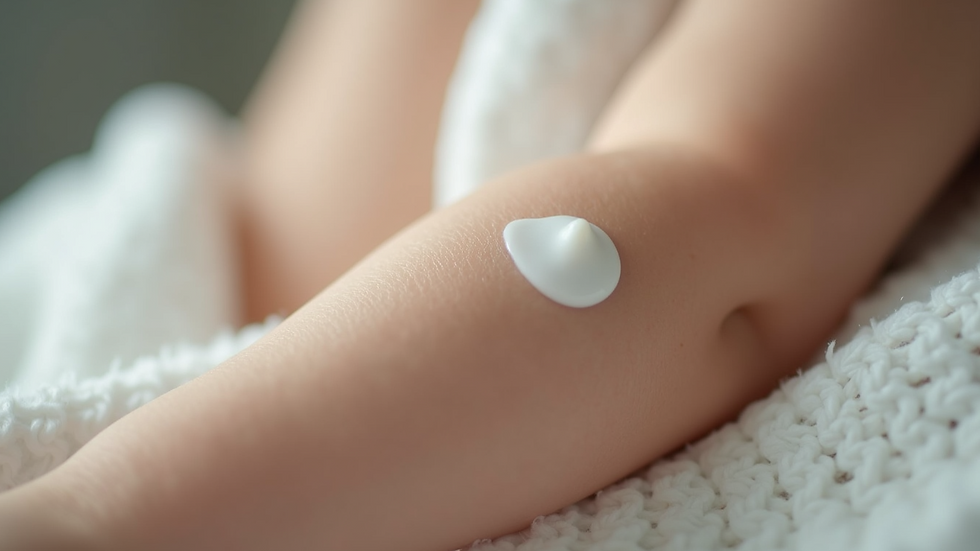
Your skin is not being dramatic. When stress spikes, your skin can absolutely join the group chat.
A tight deadline, poor sleep, family stress, anxiety, financial woes or medical worries can show up as acne, eczema flares, itching, dryness, redness, or sensitivity. That doesn’t mean stress is the only cause. Skin is too complex for that. But research shows the brain, nervous system, immune system, and skin are deeply connected. This read is a guide to How Stress Affects Your Skin and Mind. A holistic way to better skin.
This is called the brain-skin connection, and understanding it can make skin care feel less like a mystery and more like a whole-body conversation.
This article is informational only and isn’t a substitute for medical advice. If acne, eczema, anxiety, or depression is affecting daily life, it’s worth talking with a dermatologist, primary care clinician, or mental health professional.

Your skin and brain talk all day. This read is a guide to How Stress Affects Your Skin and Mind. A holistic way to better skin.
Skin and the nervous system develop from the same early layer of cells before birth. That sounds like a weird biology party fact, but it matters. Your skin has nerve endings, immune cells, oil glands, sweat glands, and hormone receptors. It notices what’s going on inside the body.
When stress hits, the body releases stress hormones such as cortisol and activates the sympathetic nervous system. That’s the “ready for danger” mode. Great if you need to jump away from a moving bike. Less great if your body is reacting to 46 unread emails like they’re a tiger in loafers.
Stress can affect skin by:
Increasing inflammation
Slowing skin barrier repair
Raising oil production in some people
Triggering itch and scratching
Disrupting sleep
Making consistent skin care harder
Increasing picking, rubbing, or over-cleansing
For people with dry skin, the barrier piece is huge. The skin barrier is like a brick wall. Skin cells are the bricks, and lipids are the mortar. Stress can mess with that mortar, which may lead to more water loss, more tightness, and more irritation.
Healthy skin isn’t just about what you put on it. It’s also about sleep, stress recovery, nutrition, movement, hormones, and the products your skin can tolerate without throwing a tiny tantrum.
What science says about stress, acne, and eczema
The stress-skin link isn’t just “wellness fluff with a nice font.” Researchers have studied it for decades.
A well-known study by Chiu and colleagues, published in Archives of Dermatology in 2003, looked at students with acne during exam periods. The researchers found that acne severity worsened during higher-stress periods. The increase wasn’t fully explained by changes in sleep, diet, or other common factors. Translation: exam stress was not just living rent-free in their heads. It showed up on their faces.
Another important area of research looks at the skin barrier. Work by Garg and colleagues, published in Archives of Dermatology, found that psychological stress can delay recovery of the skin’s permeability barrier. That matters for dry skin and eczema because barrier repair is the whole ballgame. When the barrier struggles, the skin loses water and lets irritants in more easily.
Atopic dermatitis, often called eczema, has also been strongly linked with stress, anxiety, and mood symptoms. Reviews in dermatology and allergy journals describe a two-way relationship. Stress can worsen eczema, and eczema can worsen stress. The itch keeps you awake. Poor sleep increases irritation. Then the skin flares again. It’s a merry-go-round, except nobody asked for tickets.
Research in psycho-dermatology, the field that studies the overlap between skin and emotions, also shows higher rates of anxiety and depression in people with chronic skin conditions such as acne, eczema, psoriasis, and rosacea. That doesn’t mean skin conditions are “all in your head.” They’re real medical conditions. It means the body doesn’t separate skin from emotions as neatly as we’d like.
How stress can trigger acne
Acne forms when pores get clogged with oil and dead skin cells, then inflammation joins the party. Bacteria known as Cutibacterium acnes can also play a role.
Stress may worsen acne in a few ways.
Cortisol can affect oil and inflammation
During stress, cortisol and other stress-related chemicals may influence sebaceous glands, the glands that produce oil. More oil doesn’t automatically mean acne, but it can contribute when pores are already prone to clogging.
Stress also nudges the immune system toward inflammation. Acne is not just “dirty skin.” It’s an inflammatory condition. So scrubbing harder usually doesn’t help. In fact, aggressive cleansing can damage the barrier and make skin angrier. Skin does not respond well to being treated like a dirty frying pan.
Stress habits can make acne worse
Stress can change behavior in sneaky ways:
Sleeping less
Eating irregularly
Skipping gentle skin care
Picking at spots
Overusing actives like acids or retinoids
Forgetting sunscreen
Touching the face more often
None of this means acne is your fault. It means flare-ups often have multiple switches, and stress can flip more than one.
How stress and anxiety can worsen eczema and dry skin
Eczema is deeply tied to the skin barrier and immune system. Many people with eczema have a barrier that loses moisture easily. That dry, cracked barrier lets irritants in, which can trigger inflammation and itching.
Stress can pour gasoline on that cycle.
The itch-scratch cycle gets louder
Anxiety and stress can heighten the sensation of itch. Then scratching damages the barrier. Damaged skin itches more. Then, there comes more scratching.
That cycle can feel almost automatic, especially at night. If you’ve ever woken up with scratch marks you don’t remember making, congratulations, your sleeping self has been freelancing.
Stress may slow barrier repair
When stress delays barrier recovery, dry skin can stay irritated longer. That means moisturizers may feel like they’re not “working,” even when they are helping. The skin may simply need more time, consistency, and fewer irritants.
For dry, eczema-prone skin, stress care and barrier care make a strong team. Think of it like fixing a leaky roof while also checking the weather. You need both.

The skin and mood loop is real
Skin issues can affect confidence, sleep, social plans, and mood. That’s not vanity. That’s being human.
Acne can make someone dread photos or avoid going out. Eczema can make sleep miserable. Dry skin can sting under makeup or burn after products that used to feel fine. When skin feels unpredictable, the brain starts scanning for problems. That constant monitoring can raise anxiety.
Mental health, sleep, and skin comfort often travel together. A flare can affect mood, and low mood can make it harder to keep up with routines that help the skin. This loop deserves compassion, not blame.
A helpful mindset is this: skin symptoms are information, not a personal failure.
A stress-friendly skin care routine for dry, reactive skin
When skin is stressed, simple, usually wins. This is not the week to introduce seven new products and a peel that sounds like it belongs in a chemistry lab.
Try a basic routine for at least a few weeks, unless a clinician tells you otherwise.
Use a gentle cleanser
Choose a fragrance-free, non-stripping cleanser. If skin feels tight after washing, the cleanser may be too harsh.
For very dry skin, cleansing once at night may be enough. In the morning, rinsing with lukewarm water can work for some people.
Moisturize like it’s your job
Look for ingredients that support dry skin:
Glycerin
Pulls water into the outer skin layer
Ceramides
Help support the skin barrier
Petrolatum
Helps seal in moisture and reduce water loss
Hyaluronic acid
Helps hold water, especially under a cream
Apply moisturizer to slightly damp skin. This helps trap water before it evaporates. Think of it as catching the bus before it leaves.
Avoid common irritants during flares
Fragrance, essential oils, harsh exfoliants, strong acids, or rough scrubs can trigger dry or eczema-prone skin.
If the skin burns after almost everything, pause the fancy stuff. Go boring. Boring skin care is underrated.
Protect the skin during the day
Daily sunscreen matters, especially if using acne treatments, retinoids, or exfoliants. Mineral sunscreens with zinc oxide may be better tolerated by some sensitive skin types, though everyone’s skin has opinions.
Practical ways to lower stress for better skin and mood
Stress management doesn’t need to become another chore. If a routine stresses you out, we have lost the plot.
Start small. Pick one or two ideas that feel realistic.
Try slower breathing for two minutes
Slow breathing can help tell the nervous system, “We’re safe right now.”
Try this:
Inhale through the nose for four counts.
Exhale slowly for six counts.
Repeat for two minutes.
Longer exhales can help shift the body toward a calmer state. Bonus: no equipment, no subscription, no tiny instructor yelling at you through an app.
Protect sleep like it’s skin care
Sleep helps regulate inflammation, hormones, and barrier repair. Poor sleep can worsen itch and make stress feel bigger the next day.
A few sleep-friendly moves:
Keep the room cool
Moisturize before bed
Use soft, breathable pajamas
Avoid hot showers at night
Put the phone away 30 minutes before sleep, or at least make it less interesting
If itching wakes you often, talk with a clinician. Nighttime itch can become a serious quality-of-life issue.
Move your body gently
Exercise can lower stress and support mood. It doesn’t have to be intense. A walk counts. Stretching counts. Dancing badly in the kitchen counts, and frankly, deserves applause.
If sweat irritates eczema, rinse with lukewarm water after exercise and moisturize right away.
Stop the scratch
For acne picking or eczema scratching, shame doesn’t help. Barriers do.
Try:
Keeping nails short
Using hydrocolloid patches on pimples
Wearing soft cotton gloves at night during eczema flares
Applying a cold compress to itchy areas
Giving hands something else to do, like a stress ball or fidget item
If skin picking feels hard to control, support from a therapist can help. Habit reversal training and cognitive behavioral therapy are often used for body-focused repetitive behaviors.
Eat regularly and hydrate enough
No single food causes every skin problem. Still, regular meals can help stabilize energy and mood. Some people notice acne flares with high-glycemic foods or certain dairy products, but responses vary.
For dry skin, hydration helps overall health, but water alone won’t “moisturize from the inside” if the skin barrier is damaged. You still need topical moisturizer. Sorry, water bottle. You’re helpful, not magical.
Make room for real support
Stress gets heavier when carried alone. Talking with a friend, therapist, support group, or clinician can help reduce the mental load.
If anxiety or low mood is daily, intense, or interfering with life, professional care is not overreacting. It’s maintenance. Like changing the oil, but for your nervous system.
When to get help
Reach out to a dermatologist or healthcare professional if:
Acne is painful, cystic, or scarring
Eczema is bleeding, oozing, spreading, or disrupting sleep
Dry skin cracks often or burns with most products
Over-the-counter care isn’t helping
Stress, anxiety, or low mood feels unmanageable
Skin conditions can be treated. Stress can be supported. You do not have to “just deal with it.”
For more skin care and self-care ideas, visit Essence of Allure.
FAQ
Can stress really cause acne?
Stress may not be the only cause, but it can worsen acne. Research in students has linked higher stress periods, such as exams, with increased acne severity. Stress can affect inflammation, oil production, sleep, and skin-picking habits.
Can anxiety make eczema worse?
Yes, anxiety can worsen eczema for many people. Stress can increase itch, disrupt sleep, and affect immune and barrier function. Eczema can also increase anxiety because itching, discomfort, and visible flares are stressful.
What is the best stress-relief habit for dry skin?
Sleep is a strong place to start. Dry and eczema-prone skin often repairs better with consistent rest, gentle moisturizing, and fewer irritants. Pairing bedtime moisturizer with a calming routine can help both skin and stress.
Should I change my skin care routine during stressful weeks?
Usually, simplify it. Stick with a gentle cleanser, moisturizer, and sunscreen. Avoid adding strong exfoliants, fragranced products, or multiple new treatments during a flare unless your dermatologist recommends them.
Is my skin condition all in my head?
No. Acne, eczema, and dry skin are real physical conditions. Stress and emotions can influence symptoms, but they don’t make the condition fake. The skin and nervous system are connected, and both deserve care.
The real takeaway
Stress doesn’t just live in your thoughts. It can show up on your skin, especially when the barrier is already dry, sensitive, or eczema-prone.
The goal isn’t to become a perfectly calm person who floats through life drinking cucumber water. The goal is to build small habits that help your skin and nervous system feel safer: gentle products, better sleep, less scratching, steady meals, movement, breathing, and support when life gets heavy.
Your skin is part of you, not a separate project. Treat it with the same patience you’d give a friend having a hard week. Preferably with moisturizer.