top of page

Traveling is exciting, but it can take a toll on your skin if you’re not prepared. Changes in climate, exposure to sun, and different activities can all affect your skin’s health. Packing the right skincare items and following a simple routine can keep your skin glowing and protected throughout your trip. This guide will help you choose essential skincare products based on your destination and activities, explain why sun protection and hydration matter, and offer tips for travel-friendly packaging and a straightforward skincare routine.


Eye-level view of travel-sized skincare products arranged neatly on a wooden surface
Woman enjoying the sun

Choosing Essential Skincare Products Based on Destination Climate and Activities


Your destination’s climate plays a big role in what skincare items you should pack. Different environments demand different care.


  • Hot and Humid Destinations

If you’re heading to a tropical beach or a humid city, your skin will likely sweat more and produce extra oil. Choose lightweight, oil-free moisturizers and gel-based cleansers that won’t clog pores. Look for products labeled “non-comedogenic.” A mattifying sunscreen can help control shine.


  • Cold and Dry Destinations

For mountain trips or winter vacations, dry air can strip moisture from your skin. Pack richer creams and hydrating serums with ingredients like hyaluronic acid or ceramides. Avoid harsh exfoliants that can worsen dryness. Lip balms and hand creams are also essential.


  • Sunny Destinations

Whether you’re at the beach or exploring a sunny city, sun protection is critical. Bring broad-spectrum sunscreen with at least SPF 30, a wide-brimmed hat, and sunglasses. After sun exposure, soothing products with aloe vera or calendula can calm your skin.


  • Active or Adventure Trips

Hiking, swimming, or other outdoor activities require durable, sweat-resistant skincare. Waterproof sunscreen and gentle cleansers that remove sweat and dirt without stripping moisture are good choices. Consider products with antioxidants to protect skin from environmental damage.


The Importance of Sun Protection


Sun damage is one of the leading causes of premature aging, dark spots, and even skin cancer. Vacation often means more time outdoors, so sun protection should be a top priority.


  • Use a broad-spectrum sunscreen that protects against UVA and UVB rays.

  • Apply sunscreen generously every two hours, or more often if swimming or sweating.

  • Don’t forget easy-to-miss spots like ears, neck, and the tops of feet.

  • Consider sunscreens with added moisturizing ingredients to prevent dryness.

  • Physical sunscreens with zinc oxide or titanium dioxide are less likely to irritate sensitive skin.


Sun protection is not just for sunny days. UV rays can penetrate clouds and windows, so apply sunscreen daily.


Staying Hydrated for Healthy Skin


Hydration is key to maintaining skin’s elasticity and glow. Traveling can disrupt your usual water intake and skincare habits.


  • Drink plenty of water throughout the day, especially if flying or spending time in dry climates.

  • Use hydrating mists or facial sprays to refresh skin during long flights or hot days.

  • Choose moisturizers with humectants like glycerin or hyaluronic acid that draw moisture into the skin.

  • Avoid heavy makeup that can clog pores and cause breakouts when skin is stressed.


Keeping your skin hydrated helps it recover from environmental stress and keeps it looking fresh.


Travel-Friendly Packaging and Product Sizes


Packing skincare products in travel-friendly sizes saves space and complies with airline regulations.


  • Opt for travel-sized bottles (usually 3.4 ounces or less) for liquids and creams.

  • Use reusable silicone travel containers to decant your favorite products.

  • Choose multi-purpose products like tinted moisturizers with SPF or cleansing wipes that double as makeup removers.

  • Pack products in leak-proof bags to avoid spills.

  • Solid skincare items like bar cleansers or balm moisturizers reduce liquid volume and are easy to carry.


Smart packaging choices make your skincare routine easier and more convenient on the go.


A Simple Skincare Routine to Maintain Healthy Skin While Traveling


Keeping your routine simple helps you stay consistent even with a busy schedule.


Morning Routine

  • Cleanser: Use a gentle cleanser to remove overnight oils and impurities.

  • Moisturizer: Apply a lightweight moisturizer suited to your destination’s climate.

  • Sunscreen: Finish with broad-spectrum sunscreen, applying it last before makeup.


Evening Routine

  • Cleanser: Remove sunscreen, dirt, and sweat with a gentle cleanser.

  • Treatment: If you use serums or treatments (like vitamin C or retinol), apply them now.

  • Moisturizer: Use a richer moisturizer or night cream to repair skin overnight.

    Essence of Allure has a great turmeric skin cleanser that lathers well and works very well.


Turmeric Soap Cleansing Bar
$8.50
Buy Now

Additional Tips

  • Avoid over-exfoliating; limit exfoliation to 1-2 times per week.

  • Use hydrating masks or sheet masks if your skin feels dry or stressed.

  • Keep lip balm handy to prevent chapping.

  • Remove makeup before bed to prevent clogged pores.


Final Thoughts on Skincare for Your Vacation


Packing the right skincare items and following a simple routine can make a big difference in how your skin looks and feels during your trip. Tailor your products to the climate and activities you expect, prioritize sun protection and hydration, and choose travel-friendly packaging to keep your routine hassle-free. Healthy skin lets you enjoy your vacation with confidence and comfort.

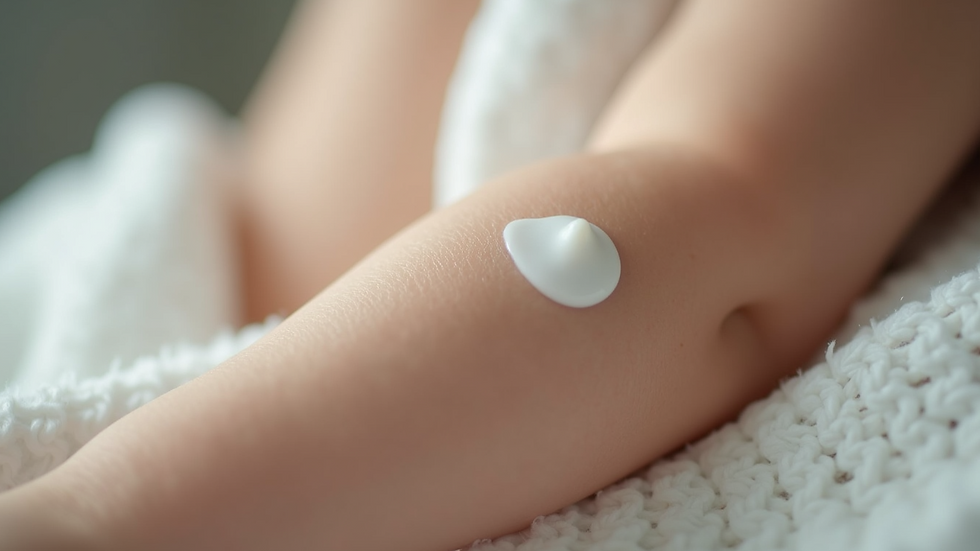
Dry skin can be uncomfortable and frustrating. It often feels tight, flaky, and sometimes itchy. Fortunately, there are many effective ways to care for dry skin and restore its natural moisture. This article explores practical tips and remedies to help you maintain healthy, hydrated skin all year round.


Understanding Dry Skin and Its Causes


Dry skin occurs when the skin loses too much water or oil, leading to a lack of moisture. This can happen due to various reasons such as cold weather, low humidity, harsh soaps, or even aging. When the skin barrier is compromised, it becomes more vulnerable to irritation and damage.


Common causes of dry skin include:


  • Exposure to cold or dry air

  • Frequent hot showers or baths

  • Use of harsh skincare products

  • Medical conditions like eczema or psoriasis

  • Dehydration and poor diet


Knowing the root cause of your dry skin is essential to choosing the right care routine.


Close-up view of dry cracked skin on a hand
Dry skin texture on hand showing dryness and cracks

Best Dry Skin Care Solutions for Hydration and Protection


To effectively manage dry skin, it is important to focus on both hydration and protection. Here are some proven dry skin care solutions that can help:


1. Use Gentle Cleansers


Avoid soaps and cleansers that strip natural oils. Opt for mild, fragrance-free cleansers that maintain the skin’s natural barrier.


2. Moisturize Regularly


Apply a rich moisturizer immediately after bathing to lock in moisture. Look for ingredients like:


  • Hyaluronic acid

  • Glycerin

  • Ceramides

  • Shea butter


3. Avoid Hot Water


Hot water can worsen dryness by removing oils. Use lukewarm water for washing your face and body.


4. Use a Humidifier


Adding moisture to the air with a humidifier can prevent skin from drying out, especially in winter.


5. Protect Your Skin


Wear protective clothing and use sunscreen daily to shield your skin from harsh environmental factors.


6. Stay Hydrated


Drink plenty of water throughout the day to keep your skin hydrated from within.


For more detailed dry skin solutions, you can visit this helpful resource.


Luxurious Body Oil
$6.00
Buy Now

How to Treat Dry Skin in a Toddler?


Dry skin in toddlers requires special care because their skin is more sensitive and delicate. Here are some tips to help manage dry skin in young children:


  • Use mild, fragrance-free baby cleansers and shampoos.

  • Limit bath time to 5-10 minutes with lukewarm water.

  • Pat the skin dry gently instead of rubbing.

  • Apply a thick, hypoallergenic moisturizer immediately after bathing.

  • Dress your toddler in soft, breathable fabrics like cotton.

  • Avoid exposure to harsh weather conditions by using hats and gloves.

  • Consult a pediatrician if dryness persists or worsens.


Taking these steps can help soothe your toddler’s dry skin and prevent irritation.


Close-up view of a baby’s arm with soft skin and a light moisturizer applied
Moisturized baby skin showing softness and hydration

Lifestyle Changes to Support Healthy Skin


In addition to topical treatments, lifestyle habits play a crucial role in maintaining skin health. Consider these changes:


  • Balanced Diet: Eat foods rich in omega-3 fatty acids, vitamins A, C, and E to nourish your skin.

  • Limit Alcohol and Caffeine: These can dehydrate your body and skin.

  • Avoid Smoking: Smoking damages skin cells and accelerates dryness.

  • Manage Stress: Stress can worsen skin conditions, so practice relaxation techniques.

  • Regular Exercise: Improves circulation and promotes healthy skin.


Incorporating these habits can enhance the effectiveness of your skincare routine.


When to See a Dermatologist


If your dry skin does not improve with home care or is accompanied by severe itching, redness, or cracking, it is important to seek professional advice. A dermatologist can diagnose underlying conditions and recommend treatments such as prescription creams or therapies.


Remember, consistent care and attention are key to managing dry skin effectively.


By following these practical tips and using the right products, you can restore moisture and comfort to dry skin. Whether for yourself or your toddler, these solutions offer a path to healthier, more resilient skin. For more information on dry skin care, explore trusted resources and consult skincare professionals as needed.

Maintaining a glowing complexion starts with proper hydration. Skin that is well-moisturized looks plump, smooth, and youthful. However, many people struggle with dryness, dullness, or irritation due to environmental factors, lifestyle habits, or improper skincare. The good news is that adopting a daily hydrating skincare routine can transform your skin’s texture and appearance. This guide will walk you through practical tips and expert advice to help you achieve that coveted radiant glow every day.


Why Daily Hydrating Skincare Matters


Hydration is the foundation of healthy skin. When your skin is hydrated, it functions optimally, protecting you from external aggressors like pollution and harsh weather. Dry skin can lead to flakiness, fine lines, and a lackluster complexion. On the other hand, hydrated skin appears vibrant and resilient.


  • Improves skin elasticity: Well-moisturized skin is more elastic and less prone to wrinkles.

  • Enhances barrier function: Hydration strengthens the skin’s natural barrier, preventing moisture loss.

  • Promotes a smooth texture: Hydrated skin feels soft and looks even-toned.

  • Supports cell renewal: Moist skin encourages faster repair and regeneration.


Incorporating a daily hydrating skincare routine is essential for all skin types, whether oily, dry, or combination. Even oily skin needs hydration to balance sebum production and avoid over-drying.


Close-up view of a glass of water and a bowl of fresh cucumber slices
Hydrating ingredients for skin health

Essential Components for the best Daily Hydrating Skincare Routine


To build an effective daily hydrating skincare routine, focus on these key steps and products:


1. Gentle Cleansing


Start with a mild cleanser that removes dirt and impurities without stripping natural oils. Avoid harsh soaps or foaming cleansers that can dry out your skin.


  • Use lukewarm water to prevent irritation.

  • Opt for hydrating cleansers with ingredients like glycerin or hyaluronic acid.


2. Toner or Hydrating Mist


After cleansing, apply a toner or hydrating mist to restore pH balance and add a layer of moisture. Look for alcohol-free formulas with soothing botanicals such as rose water or aloe vera.


3. Serum with Hydrating Ingredients


Serums are concentrated treatments that penetrate deeply. Choose serums containing:


  • Hyaluronic acid: Attracts and retains moisture.

  • Vitamin B5 (panthenol): Soothes and repairs skin.

  • Ceramides: Strengthen the skin barrier.


4. Moisturizer


A good moisturizer locks in hydration and protects the skin. Select a moisturizer based on your skin type:


  • For dry skin: Rich creams with oils and emollients.

  • For oily skin: Lightweight, non-comedogenic gels or lotions.

  • For combination skin: Balancing formulas that hydrate without heaviness.


5. Sunscreen


Sun exposure depletes skin moisture and accelerates aging. Use a broad-spectrum sunscreen with at least SPF 30 every day, even when indoors or on cloudy days.


Eye-level view of skincare products arranged on a wooden shelf
Daily skincare essentials for hydration

How to Hydrate Skin Routine?


Creating a hydrating skin routine that fits your lifestyle is easier than you think. Here’s a step-by-step guide to help you get started:


  1. Assess your skin type and needs: Identify if your skin is dry, oily, or combination to choose suitable products.

  2. Cleanse twice daily: Morning and night, use a gentle cleanser to keep skin fresh.

  3. Apply hydrating toner or mist: Spritz or pat on after cleansing to boost moisture.

  4. Use a hydrating serum: Apply a few drops on damp skin for better absorption.

  5. Moisturize generously: Seal in hydration with your chosen moisturizer.

  6. Don’t skip sunscreen: Protect your skin from UV damage daily.

  7. Drink plenty of water: Hydration starts from within, so aim for 8 glasses a day.

  8. Use a humidifier: Especially in dry climates or during winter, a humidifier adds moisture to the air.

  9. Avoid hot showers: Hot water strips natural oils; opt for warm water instead.

10. Exfoliate weekly: Remove dead skin cells gently to allow better product penetration.


Consistency is key. Following this routine every day will gradually improve your skin’s hydration and overall health.


High angle view of a bathroom counter with a humidifier and skincare products
Humidifier and skincare products for maintaining skin hydration

Additional Tips for Boosting Skin Hydration


Beyond your skincare products, certain habits and lifestyle choices can enhance your skin’s moisture levels:


  • Eat hydrating foods: Include fruits and vegetables with high water content like watermelon, cucumber, and oranges.

  • Limit caffeine and alcohol: Both can dehydrate your body and skin.

  • Get enough sleep: Restorative sleep helps skin repair and maintain moisture.

  • Avoid harsh weather exposure: Protect your skin from wind and cold with scarves and hats.

  • Use overnight masks: These intensive treatments provide extra hydration while you sleep.

  • Incorporate facial oils: Oils like jojoba or rosehip can lock in moisture and nourish skin.


By combining these tips with your daily routine, you’ll notice a visible improvement in your skin’s glow and softness.


Embrace Your Glow with a Hydrating Skin Routine


Achieving the best Hydrating Skin Routine for radiant, hydrated skin is a journey that requires dedication and the right approach. By following a structured daily hydrating skincare routine, you can nourish your skin deeply and protect it from dryness and damage. Remember, hydration is not just about applying creams but also about caring for your skin holistically.


For those looking to explore quality products and expert advice, consider visiting Essence of Allure to discover a curated selection of skincare essentials designed to support your hydrating skin routine.


Start today, and let your skin shine with health and vitality every day!


Exfoliating Strawberry Lemonade Sugar Scrub
$27.50
Buy Now

bottom of page