top of page

Turmeric soap has gained popularity among skincare enthusiasts for its natural properties that support healthy, glowing skin. This soap combines the cleansing power of traditional soap with the benefits of turmeric, a spice known for its anti-inflammatory and antioxidant effects. If you are looking for a natural way to improve your skincare routine, turmeric soap offers a gentle yet effective option.


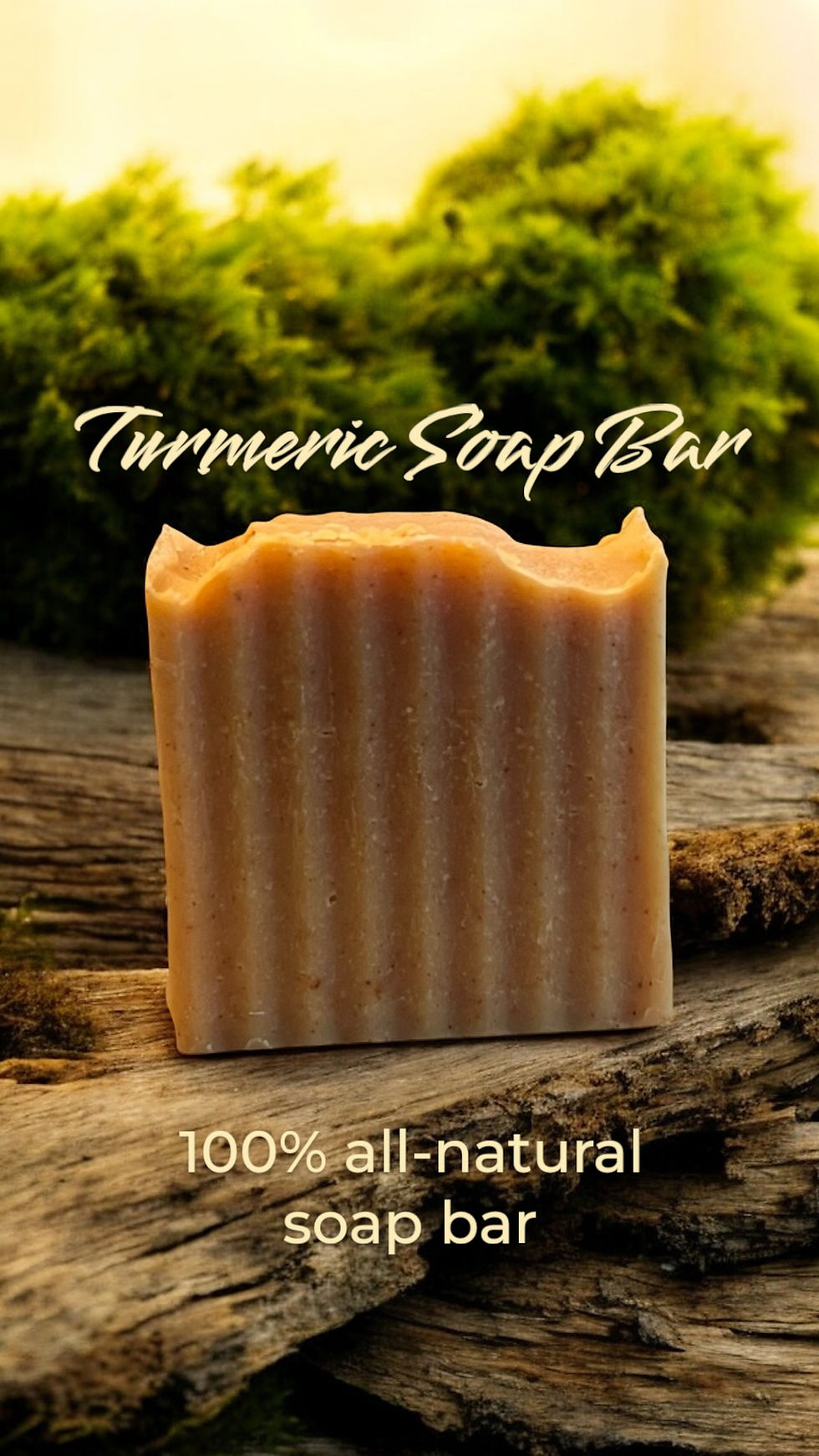
Close-up view of turmeric soap bar with natural ingredients on wooden surface
Turmeric soap bar with natural ingredients, close-up view

The Benefits of Using Turmeric Soap & What Makes Turmeric Soap Special?


Turmeric contains curcumin, a compound that has been studied for its ability to reduce inflammation and fight free radicals. When incorporated into soap, turmeric helps to soothe irritated skin and protect it from environmental damage. Unlike many commercial soaps that can strip the skin of its natural oils, turmeric soap offers a balanced cleansing experience that supports the skin’s natural barrier.


Using turmeric soap regularly can help maintain a clear complexion by reducing redness and calming skin conditions such as acne or eczema. Its natural antibacterial properties also assist in keeping the skin clean without harsh chemicals.


How Turmeric Soap Supports Cleansing and Exfoliating


Cleansing is a crucial step in any skincare routine, and turmeric soap excels in this area by removing dirt, oil, and impurities without over-drying. The soap’s gentle formula ensures that natural skin moisture is preserved, leaving the skin feeling soft and refreshed.


In addition to cleansing, turmeric soap often includes mild exfoliating ingredients like ground turmeric or other natural particles. These help to remove dead skin cells, promoting cell turnover and revealing brighter skin underneath. This exfoliating action can improve skin texture and reduce dullness, making your skin look more radiant over time.


Benefits for Different Skin Types


Turmeric soap suits a variety of skin types, from oily to dry and sensitive skin. Here’s how it benefits each:


  • Oily skin: Turmeric soap helps regulate excess oil production and reduces acne-causing bacteria.

  • Dry skin: Its moisturizing properties prevent dryness while cleansing, avoiding tightness or flaking.

  • Sensitive skin: The anti-inflammatory effects soothe irritation and reduce redness.

  • Combination skin: Balances oily and dry areas by gently cleansing without stripping moisture.


Because turmeric soap is natural and free from synthetic fragrances or dyes, it is less likely to cause allergic reactions or irritation, making it a safe choice for many users. It is one of the Benefits of Using Turmeric Soap.


How to Incorporate Turmeric Soap into Your Skincare Routine


To get the most from turmeric soap, use it as part of your daily cleansing routine. Here are some tips:


  • Wet your face or body with warm water.

  • Lather the soap between your hands or on a washcloth.

  • Gently massage the lather onto your skin in circular motions to encourage exfoliation.

  • Rinse thoroughly with lukewarm water.

  • Follow with a moisturizer to lock in hydration.


For those with acne-prone skin, using turmeric soap twice a day can help reduce breakouts and inflammation. If your skin is dry or sensitive, start by using it once daily or every other day to see how your skin responds.


Additional Skincare Benefits of Turmeric Soap


Beyond cleansing and exfoliating, turmeric soap offers other advantages:


  • Brightening effect: Regular use can even out skin tone and reduce dark spots caused by sun damage or acne scars.

  • Antioxidant protection: Turmeric’s antioxidants help protect skin cells from damage caused by pollution and UV rays.

  • Healing support: It can accelerate the healing of minor cuts, insect bites, or blemishes due to its antimicrobial properties.


Many users report a noticeable improvement in skin softness and clarity after consistent use over several weeks.


Choosing the Right Turmeric Soap


When selecting turmeric soap, look for products that emphasize natural ingredients and avoid harsh chemicals like parabens or sulfates. Check the ingredient list to ensure turmeric is a key component rather than a minor additive.


Some turmeric soaps combine other beneficial natural ingredients such as:


  • Aloe vera for soothing hydration

  • Coconut oil for moisturizing

  • Neem or tea tree oil for enhanced antibacterial effects


Choosing a soap with complementary ingredients can enhance the overall benefits for your natural skin.


When it comes to skincare, hydration is key to maintaining a healthy, glowing complexion. A well-crafted moisturizing skincare routine can help your skin stay soft, supple, and youthful. Whether you have dry, oily, or combination skin, understanding how to properly hydrate your skin is essential. This guide will walk you through the steps to create the perfect moisturizing skincare routine that suits your needs.


Understanding the Importance of a Moisturizing Skincare Routine


Moisturizing is more than just applying a cream to your face. It involves a series of steps designed to lock in moisture, protect the skin barrier, and prevent dryness and irritation. A good moisturizing skincare routine helps:


  • Maintain skin elasticity

  • Reduce the appearance of fine lines and wrinkles

  • Protect against environmental damage

  • Improve overall skin texture and tone


Choosing the right products is crucial. Look for ingredients like hyaluronic acid, glycerin, ceramides, and natural oils that attract and retain moisture. Avoid harsh soaps and alcohol-based products that can strip your skin of its natural oils.


Close-up view of a jar of moisturizing cream on a white surface
Moisturizing cream jar on dark surface

How to Build Your Moisturizing Skincare Routine


Creating a moisturizing skincare routine involves several key steps. Follow this simple guide to ensure your skin gets the hydration it needs:


  1. Cleanse Gently

    Use a mild, hydrating cleanser that removes dirt without stripping your skin’s natural oils. Avoid hot water, which can dry out your skin.


  2. Tone to Balance

    Apply a hydrating toner to restore your skin’s pH balance and prepare it for better absorption of moisturizers.


  3. Apply Serum

    Use a hydrating serum with ingredients like hyaluronic acid or vitamin B5 to boost moisture levels deep within the skin.


  4. Moisturize

    Choose a moisturizer suited to your skin type. For dry skin, opt for richer creams; for oily skin, lightweight gels or lotions work best.


  5. Protect with Sunscreen

    Finish your routine with a broad-spectrum sunscreen to protect your skin from UV damage, which can cause dehydration and premature aging.


Remember, consistency is key. Stick to your routine daily, both morning and night, for the best results.


Eye-level view of skincare products arranged on a wooden table
Turmeric Soap Bar

What are the 5 Basics of Skin Care?


To build an effective moisturizing skincare routine, it’s important to understand the five basics of skin care:


  1. Cleansing

    Removes dirt, oil, and impurities to keep pores clear.


  2. Exfoliating

    Sloughs off dead skin cells to reveal fresh, smooth skin. Use gentle exfoliants 1-2 times a week.


  3. Toning

    Balances skin’s pH and preps it for moisturizing.


  4. Moisturizing

    Hydrates and locks in moisture to maintain skin’s barrier.


  5. Sun Protection

    Shields skin from harmful UV rays that cause damage and dehydration.


Incorporating these basics into your daily routine ensures your skin stays healthy and hydrated.


Tips for Choosing the Right Moisturizer for Your Skin Type


Selecting the right moisturizer is essential for an effective moisturizing skincare routine. Here’s how to choose based on your skin type:


  • Dry Skin: Look for thick creams with ingredients like shea butter, ceramides, and oils such as jojoba or almond oil.

  • Oily Skin: Opt for lightweight, non-comedogenic gels or lotions that won’t clog pores.

  • Combination Skin: Use a balanced moisturizer that hydrates without making oily areas greasy.

  • Sensitive Skin: Choose fragrance-free, hypoallergenic products with soothing ingredients like aloe vera or chamomile.


Patch test new products to avoid irritation. Also, consider seasonal changes; your skin may need richer moisturizers in winter and lighter ones in summer.


High angle view of moisturizer and serum bottles on a marble countertop
Body Oil Moisturizer

Enhancing Your Routine with Additional Hydrating Practices


Beyond your daily moisturizing skincare routine, there are other ways to keep your skin hydrated:


  • Drink Plenty of Water

Hydration starts from within. Aim for at least 8 glasses of water a day.


  • Use a Humidifier

Especially in dry climates or during winter, a humidifier adds moisture to the air, preventing skin dryness.


  • Avoid Long Hot Showers

Hot water can strip natural oils. Use lukewarm water instead.


  • Incorporate Hydrating Masks

Use sheet masks or overnight hydrating masks once or twice a week for an extra moisture boost.


  • Eat a Balanced Diet

Foods rich in omega-3 fatty acids, antioxidants, and vitamins support skin health.


For those looking to deepen their skincare knowledge, exploring a hydrating skin care routine can provide tailored product recommendations and expert advice.


Maintaining Your Skin’s Hydration Over Time


Consistency and patience are vital when it comes to skincare. Your skin’s hydration levels can fluctuate due to weather, stress, diet, and lifestyle. Regularly assess your skin’s needs and adjust your moisturizing skincare routine accordingly.


  • Monitor Skin Changes

If your skin feels tight or flaky, increase hydration. If it becomes oily, switch to lighter products.


  • Avoid Over washing

Washing your face too often can strip moisture. Stick to twice daily cleansing.


  • Get Enough Sleep

Rest allows your skin to repair and regenerate.


  • Manage Stress

Stress can affect skin barrier function and hydration.


By following these tips, you can maintain a radiant, hydrated complexion all year round.


Creating the perfect moisturizing skincare routine is a journey that requires understanding your skin’s unique needs and committing to daily care. With the right products and habits, you can enjoy healthy, glowing skin that feels comfortable and looks vibrant. Start today and embrace the benefits of a well-hydrated complexion.


Exfoliating Strawberry Lemonade Sugar Scrub
$27.50
Buy Now

Achieving radiant, healthy skin is a goal many strive for, but it often feels elusive. The secret lies in adopting a natural nourishing skincare routine that supports your skin’s health from within and without. By focusing on gentle, effective ingredients and mindful habits, you can unlock a glowing complexion that reflects your overall well-being.


Embracing Natural Nourishing Skincare for Radiance


Natural nourishing skincare is about using products and methods that feed your skin with essential nutrients without harsh chemicals. This approach respects your skin’s natural balance and enhances its ability to repair and protect itself.


To start, consider incorporating these elements into your daily routine:


  • Gentle Cleansing: Use mild, sulfate-free cleansers that remove impurities without stripping natural oils.

  • Hydrating Ingredients: Look for moisturizers with hyaluronic acid, aloe vera, or glycerin to maintain skin hydration.

  • Antioxidant-Rich Products: Vitamin C serums and green tea extracts help combat free radicals and brighten skin tone.

  • Sun Protection: Daily use of broad-spectrum SPF shields your skin from UV damage, preventing premature aging.


By choosing natural ingredients, you reduce the risk of irritation and support your skin’s natural functions. This approach is especially beneficial for sensitive or reactive skin types.


Close-up view of natural skincare products on wooden surface
Natural skincare products arranged on wood

How to Build a Nourishing Skincare Routine


Creating a nourishing skincare routine involves more than just picking the right products. It’s about consistency and understanding your skin’s unique needs.


Here’s a simple step-by-step guide:


  1. Cleanse Twice Daily: Morning and night, cleanse your face to remove dirt, oil, and makeup.

  2. Tone with Care: Use alcohol-free toners with soothing ingredients like chamomile or rose water.

  3. Apply Serums: Target specific concerns such as dullness or fine lines with serums rich in antioxidants or peptides.

  4. Moisturize: Lock in hydration with a moisturizer suited to your skin type.

  5. Protect: Never skip sunscreen during the day, even when indoors.


Additionally, exfoliate once or twice a week with gentle scrubs or chemical exfoliants like lactic acid to remove dead skin cells and promote cell turnover.


Incorporating lifestyle habits such as drinking plenty of water, eating a balanced diet rich in fruits and vegetables, and getting enough sleep will further enhance your skin’s natural glow.


Eye-level view of a bathroom shelf with skincare bottles and plants
Bathroom shelf with skincare products and greenery

What is nourishing in skincare?


Nourishing in skincare refers to the ability of products to provide essential nutrients that support skin health and repair. These nutrients include vitamins, minerals, fatty acids, and antioxidants that help maintain the skin’s barrier, improve texture, and promote a youthful appearance.


Key nourishing ingredients to look for include:


  • Vitamin E: Protects against environmental damage and supports skin healing.

  • Omega Fatty Acids: Found in oils like jojoba and argan, they help maintain moisture and elasticity.

  • Niacinamide: Improves skin tone and reduces inflammation.

  • Ceramides: Strengthen the skin’s natural barrier to prevent moisture loss.


Using products rich in these ingredients ensures your skin receives the nourishment it needs to stay healthy and resilient.


Close-up view of a dropper applying serum to a glass surface
Serum dropper dispensing nourishing skincare product

Tips for Enhancing Your Skin’s Natural Glow


Beyond products, several habits can boost your skin’s radiance:


  • Stay Hydrated: Drinking water flushes out toxins and keeps skin plump.

  • Eat Skin-Friendly Foods: Incorporate foods high in antioxidants like berries, nuts, and leafy greens.

  • Manage Stress: Practice relaxation techniques such as meditation or yoga to reduce stress-related skin issues.

  • Get Adequate Sleep: Sleep allows your skin to repair and regenerate.

  • Avoid Smoking and Excessive Alcohol: Both can accelerate skin aging and dullness.


Remember, glowing skin is a reflection of overall health. Combining a natural nourishing skincare routine with these lifestyle tips will help you achieve lasting radiance.


Discover the Power of Nourishing Skin Care


For those seeking effective and gentle solutions, exploring nourishing skin care options can be transformative. These products focus on delivering essential nutrients while respecting your skin’s natural balance.


By choosing formulations that emphasize natural ingredients and proven benefits, you can support your skin’s health and enjoy a vibrant, glowing complexion every day.


Taking care of your skin with natural nourishing skincare is a rewarding journey. With the right products, habits, and knowledge, you can reveal your skin’s true potential and enjoy a healthy, radiant glow for years to come.


Luxurious Body Oil
$6.00
Buy Now

bottom of page